








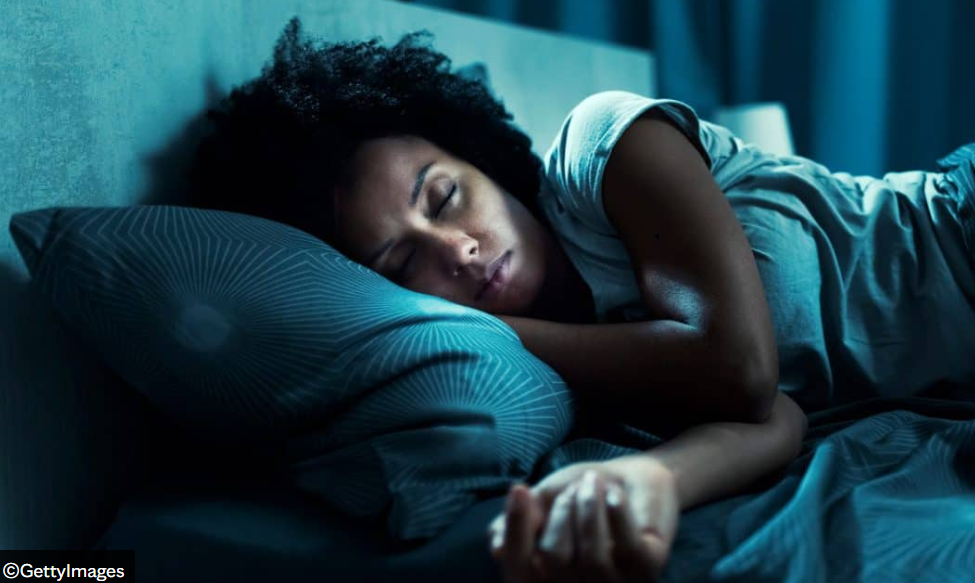
You may be able to sleep your way to a longer life.
According to recently published research involving 172,321 adults, men who get adequate sleep live about five years longer than men who don’t. For women, it’s two years.
However, about a third of adults cut sleep short, raising their risk of heart attack, dementia and diabetes, among other health conditions.
How does slumber protect health and extend life? Let’s take a closer look at what happens in your brain and body as you snooze.
What are the benefits of sleep?
“Sleep is restorative,” says Virend Somers, M.D., Ph.D., a cardiologist at Mayo Clinic who has extensively studied the impact of sleep on health. “During sleep, your brain and body perform many critical tasks important for overall health.”
Muscles relax, and glands and tissues secrete essential hormones, like growth hormone and testosterone.
“Sleep has multiple functions on every biological level.”
Does lack of sleep cause health issues?
When you don’t sleep enough, you cut short those healing and restorative processes, increasing your risk of several health problems.
Belly fat accumulates. Lack of sleep interferes with hormones like leptin and ghrelin, which regulate hunger and appetite. In Mayo Clinic research, when healthy study participants slept only four hours a night, they consumed 350 more calories than usual the following day.
“Typically, when healthy people eat more than they need, the excess is stored in subcutaneous fat under the skin,” says Dr. Somers, one of the study authors. However, when the sleep-deprived participants overate, the excess was stored as inflammation-producing visceral fat deep in their abdomens.
Blood pressure rises. In other research done at Mayo Clinic, sleep deprivation led to rises in blood pressure, both during the day and during the night.
“That’s how powerful sleep deprivation can be,” says Dr. Somers. “Even when a sleep-deprived person is able to sleep deeply, blood pressure is still higher.
This may explain why other research shows that people who sleep fewer than seven hours tend to experience accelerated aging of their hearts and blood vessels.
Blood sugar goes up. Prolonged sleep deprivation has been linked with insulin resistance, poor glucose tolerance, and an increased risk of type 2 diabetes.
How much sleep do I need?
You’ve likely met someone who seems to thrive on five or so hours a night. “These natural short sleepers wake up completely rested and extremely functional. They are high-performing people,” says Dr. Somers. “They are not sleepy at all. They are doing fine, and they can live a long time.”
However, natural short sleepers are rare.
Most people need at least seven hours to wake refreshed, says Dr. Somers. Some need more.
How can you tell if you’re sleeping enough? Consider two questions:
- Do you wake naturally, without the help of an alarm clock?
- Do you feel rested and restored during the day?
Is it natural to sleep less as I age?
As you get older, your sleep changes.
Your pineal gland produces less melatonin, the hormone that rises at night to make you feel sleepy. Reduced melatonin levels lead to less deep sleep and more light sleep. On top of that, your 24-hour circadian sleep-wake cycle may shift, making you feel more tired earlier in the evening but awake earlier in the morning. You might nod off around 8 p.m. and feel wide awake at 4 or 5 a.m.
“It’s not that you need less sleep as you get older. You probably still need at least seven hours, like most people. It’s that your sleep architecture has changed,” says Dr. Somers.
Assuming you wake naturally and feel rested and restored during the day, those age-related changes aren’t necessarily a problem, he says.
How to get better sleep
These lifestyle changes can help improve your sleep quality.
Keep your room dark. “Over thousands of years, our brains evolved to use light and darkness as cues for sleep,” says Dr. Somers. “Your pineal gland recognizes how much light is around you.” He says even the dim illumination of the LED light on a clock will tell the gland to shut down melatonin production. “The darker it is, the more likely you are to sleep.”
Exercise regularly. Moderate aerobic exercise like walking has been shown to improve sleep quality, especially the slow-wave sleep that’s key to tissue repair.
Pay attention to your medications. “Forty percent of older people are on five or more medications,” says Dr. Somers. “Some of those medications disrupt sleep.” For example, diuretics used to lower blood pressure can wake you with an urge to urinate. If you suspect that a medication might be disturbing your sleep, talk to your healthcare professional. Sometimes, taking the drug in the morning (instead of the afternoon) can clear up the problem.
Get a checkup. Various health conditions — ranging from arthritis to an enlarged prostate — can make it difficult to sleep. Talk to your healthcare professional about ways to manage pain, frequent urination and other problems that keep you awake.
Don’t drink. Alcohol can worsen sleep quality, says Dr. Somers. Though alcohol might initially make you feel drowsy, you’ll likely wake a few hours later and feel unrefreshed the following day, he says.
Many people stumble onto their sleep remedies over time, says Dr. Somers.
“If you’ve found a way that helps you — a way that no one else is talking about — that doesn’t mean you shouldn’t use it,” says Dr. Somers. “If it works for you, do it.”


 Ren Ecosystem